
Fukuda and Keetels run furthest as 346,527 people race the Catcher Car
Jo Fukuda's 78.9 km in Fukuoka and Mikky Keetels' 62.2 km in Breda led the world on 10 May, in a run held in 173 countries that raised 9.2 million euros.
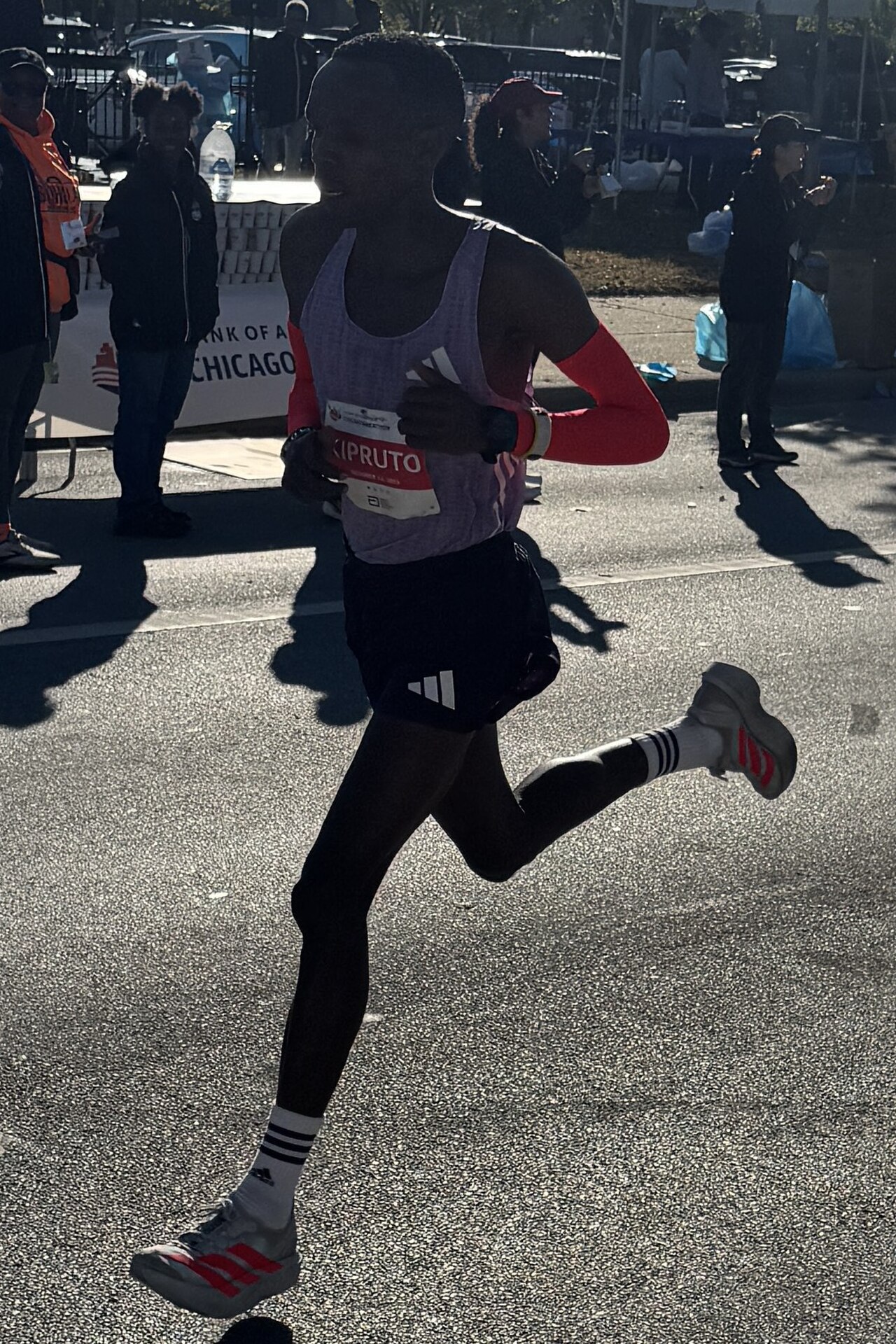
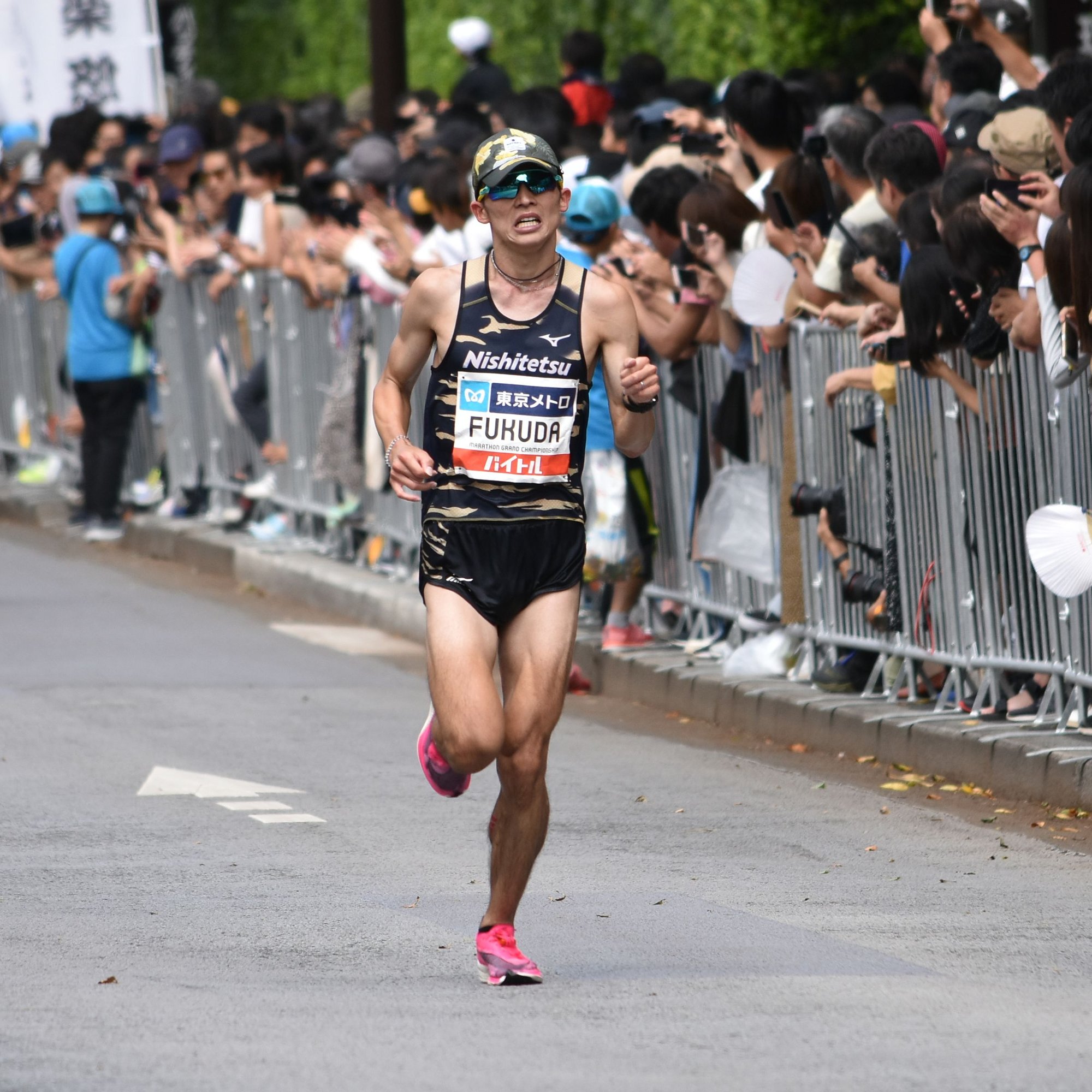 Photograph: Jo Fukuda at the 2019 Marathon Grand Championship in Tokyo, by 江戸村のとくぞう, CC BY-SA 4.0, via Wikimedia Commons
The Wings for Life World Run has no finish line. Everyone starts at the same moment around the world, a Catcher Car sets off behind them, and your race is over when it passes you. The 13th edition on Sunday 10 May had 346,527 registered runners in 173 countries, a record, across seven flagship runs and 648 app-run events. Conditions ran from 40 degrees in Indore, India, to 1 degree in Longyearbyen, Svalbard.
Jo Fukuda of Japan was the last man caught, 78.9 km down the road at the app run in Fukuoka. It was his fourth global title and the organisers list it as a new record. Dariusz Nożyński of Poland was next best with 67.9 km and Andreas Vojta of Austria third. Mikky Keetels of the Netherlands ran 62.2 km in Breda, which the organisers call a women's world record for the event and only the second time a woman has passed 60 km. Esther Pfeiffer, who led much of the race in Munich, was second overall among the women, and Germany's Imke Salander third with a personal best of 52.5 km.
In Zadar, the twins Natasha Sustić and Nikolina Rusić Stanković were caught together at 46.5 km and share the women's title there. Paula Attwenger, who is 100, ran against the virtual Catcher Car in Gmunden, Austria. Anna Gasser drove the car in Vienna, Churandy Martina in Breda and Domen Prevc in Ljubljana.
All entry fees go to spinal cord research. This year's run raised 9.2 million euros, taking the total since 2014 to 69.7 million.
A race you cannot finish, only lose more slowly than everyone else. Honest, in its way.
Sources: Wings for Life World Run; Wings for Life World Run.